
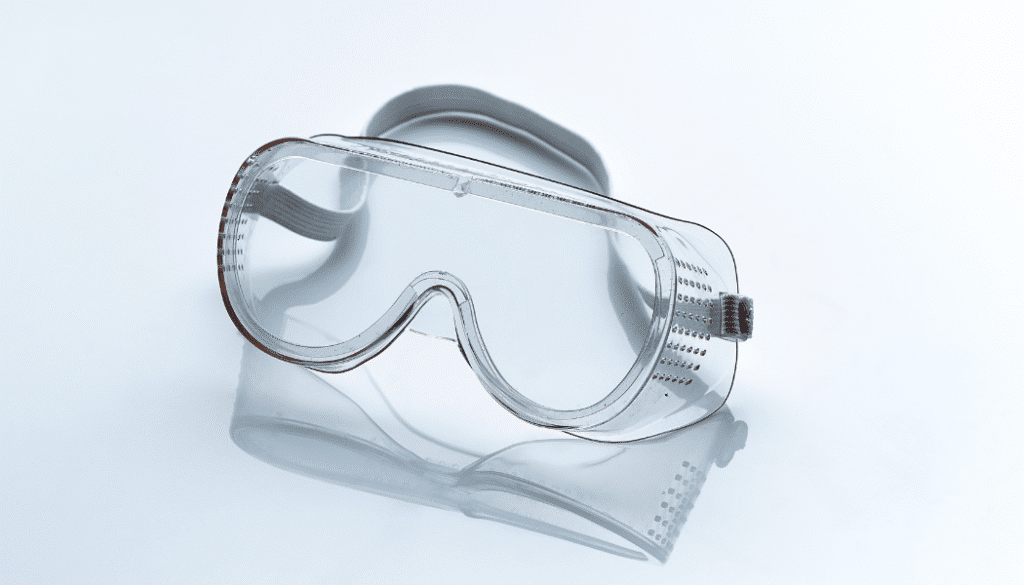
Sports eyewear has become a standard part of athletic gear. Whether you’re a child in Little League or an adult playing in professional leagues, the need for eye protection is the same. Sports glasses and goggles not only protect your eyes from impact but also improve your overall performance by giving you clearer, sharper vision.
Protective eyewear, such as wraparound frames or goggles with polycarbonate lenses, reduces the risk of serious eye injuries. At the same time, it enhances clarity on the field or court. What used to be considered “uncool” is now viewed as a sign of commitment. Just as helmets are now accepted as part of the uniform, sports eyewear has become a normal, even stylish, addition for athletes of all ages.
If you are not convinced, the numbers speak clearly. Hospital emergency rooms treat around 40,000 sports-related eye injuries each year. A large portion of these involve children and teenagers.
Consider how fast sports equipment can travel. In tennis and badminton, objects can move at 60 miles per hour or more. Racquetballs can hit speeds between 60 and 200 miles per hour in small, confined courts. This increases the chance of accidental strikes to the face.
Basketball players also face risks from elbows, hands, and pokes to the eyes. Even sports like soccer and football can expose athletes to unexpected eye contact. Without protective eyewear, the chance of permanent damage increases.
Top performance in sports depends heavily on clear vision. Many athletes once played without glasses or contacts, even if they needed correction. That often meant less-than-perfect sight on the field.
Modern sports eyewear changes that. With properly fitted sports glasses or goggles, athletes can enjoy sharp 20/20 vision while also protecting their eyes. Clearer sight means faster reaction times and better coordination, which can provide a competitive edge.
When it comes to sports eyewear, one size does not fit all. Proper sizing is critical for comfort, safety, and performance.
For children, parents may be tempted to buy oversized goggles that can “last longer.” But frames that are too large leave gaps and fail to shield the eyes properly. Impact from a ball or elbow can reach the eye if the goggles do not fit snugly.
Glasses that are too small pose their own problems. They may pinch, distract, or cause children to take them off during play. They can also limit peripheral vision, reducing awareness of what’s happening around them.
Sports eyewear should be checked regularly for fit. Goggles should rest comfortably with padding lying flat against the skin. The eyes should be centered within the lenses, and the frames should not slide or shift during movement.
Sports glasses are not the same as regular eyeglasses or sunglasses. They are built with specialized features to handle high impact and active conditions:
These features combine protection with function, giving athletes clear sight and confidence.
While protective eyewear is most often associated with sports, it also benefits people in other high-risk activities. Outdoor hobbies like biking, skiing, and sailing expose eyes to both impact and UV rays. Proper glasses or goggles keep eyes safe in these conditions.
Even recreational activities like paintball or casual racquetball games require protective eyewear. The right glasses reduce anxiety about injury and let you focus on enjoying the activity.
Sports eyewear is no longer an option—it is essential for athletes of all ages. With protective lenses, durable frames, and UV shielding, these glasses protect against both impact injuries and long-term eye damage. They also help athletes perform at their best by providing clear, sharp vision during play.
At Barnes Talero EyeCare, we help athletes of all levels choose the best protective sports eyewear. Whether you need impact-resistant glasses, UV-protective sports lenses, or durable frames for your child, we’ll make sure your eyes are safe and your performance is supported.
Yes. They are designed with impact-resistant lenses and frames specifically for sports safety.
Standard eyeglasses are not safe. Sports glasses or goggles should be worn instead.
Choose wraparound designs, adjustable straps, or padded frames that stay in place.
Some may feel bulkier than regular glasses, but the safety benefits outweigh this.