Glaucoma Testing & Treatment
Glaucoma Eye Exams
Glaucoma is one of the top causes of preventable vision loss in the U.S. and Canada. Worldwide, it is the second leading cause of blindness, more common than macular degeneration. Regular glaucoma screening tests are essential for early detection.
What is Glaucoma?
Glaucoma is not one single disease. It is a group of eye conditions that damage the optic nerve, usually due to increased intraocular pressure (IOP). This pressure builds up inside the eye and harms the nerve over time. Early detection through eye pressure testing and optic nerve assessments can help save vision.
Glaucoma is often called “the sneak thief of sight” because symptoms may not appear until damage is advanced. Once vision loss occurs, it usually cannot be restored. Treatments like glaucoma eye drops, pills, or laser glaucoma treatments help regulate IOP and slow progression.
Risk Factors
Anyone can develop glaucoma, but some people are at higher risk:
- Age over 60
- African Americans over 40 (risk is 6–8 times higher than Caucasians)
- Hispanic, Latino, or Asian descent
- Family history of glaucoma
- Diabetes or uncontrolled high blood pressure
- Severe nearsightedness
- Use of steroids or certain medications
- Past eye injury, even in childhood
Signs and Symptoms
The optic nerve damage caused by glaucoma begins with side vision loss. Over time, central vision is also affected, leading to tunnel vision or blindness.
- Open-angle glaucoma often has no early symptoms. Vision stays normal until nerve damage is advanced.
- Angle-closure glaucoma is a medical emergency. Symptoms include blurred vision, halos around lights, headache, and eye pain. Pressure rises suddenly and must be treated right away.
- Congenital glaucoma appears at birth or in infancy, with signs such as cloudy eyes, tearing, or large corneas.
- Secondary glaucoma may result from cataracts, tumors, diabetes, uveitis, or eye surgery complications.
- Pigmentary glaucoma happens when iris pigment blocks fluid drainage and increases eye pressure.
Treatment Options
Treatment depends on disease type and severity. The goal is always vision loss prevention by controlling pressure.
- Medication – Most patients start with glaucoma medication options such as prescription drops. Pills may also be used. Drops may cause side effects, but they are critical to stop disease progression.
- Laser procedures – Advanced glaucoma care often includes laser therapy to improve drainage and lower pressure.
- Surgery – When other methods fail, surgical treatment improves fluid flow or reduces production.
Diagnosis
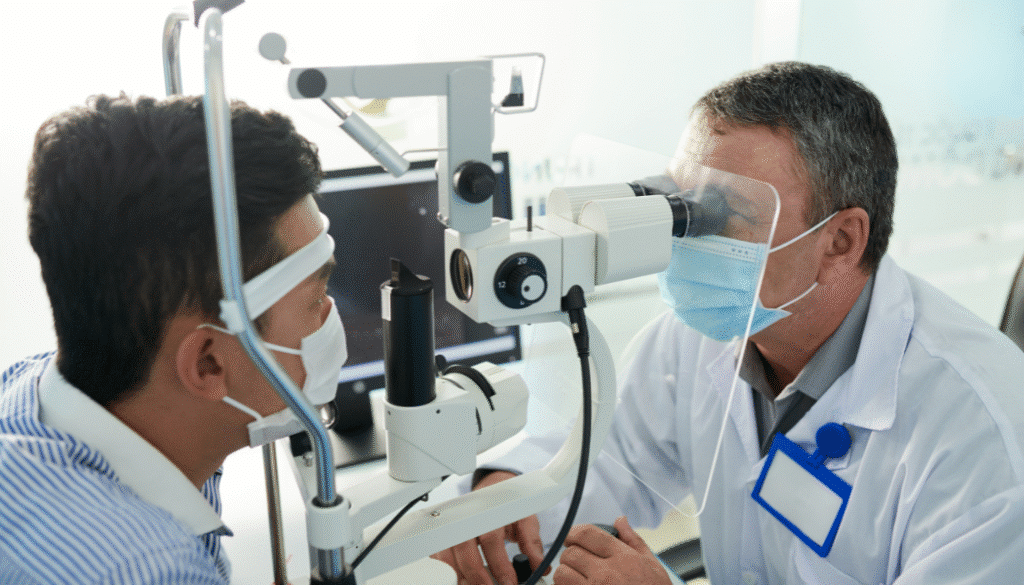
Glaucoma detection involves several glaucoma diagnosis methods:
- Tonometry – measures intraocular pressure with drops and a gentle probe.
- Visual field test – checks for blind spots in side vision.
- Optic nerve imaging – OCT and retina scans reveal early nerve damage.
- Pachymetry – measures corneal thickness, which influences eye pressure readings.
Since pressure can fluctuate, intraocular pressure monitoring over time is often needed.
Prevention and Care
The most effective way to protect vision is early testing and consistent ocular condition monitoring. Any vision lost cannot be regained, so awareness and regular eye exams are vital.
FAQs
Frequently Asked Questions
What do they do when they test for glaucoma?
Doctors use eye pressure testing, optic nerve checks, and visual field exams to detect early damage.
What is the best treatment for early stage glaucoma?
Most early cases respond well to prescription glaucoma eye drops or laser glaucoma treatments.
What causes glaucoma in children?
Congenital glaucoma is usually caused by an abnormal fluid drainage system present at birth.
What happens if you test positive for glaucoma?
Your doctor will begin glaucoma medication options, laser treatment, or surgery depending on the severity.